
Browse our nursery selection online and plan with confidence. We confirm availability before payment, so there are no surprises at pickup.
Berry bushes and small fruits for edible landscapes.
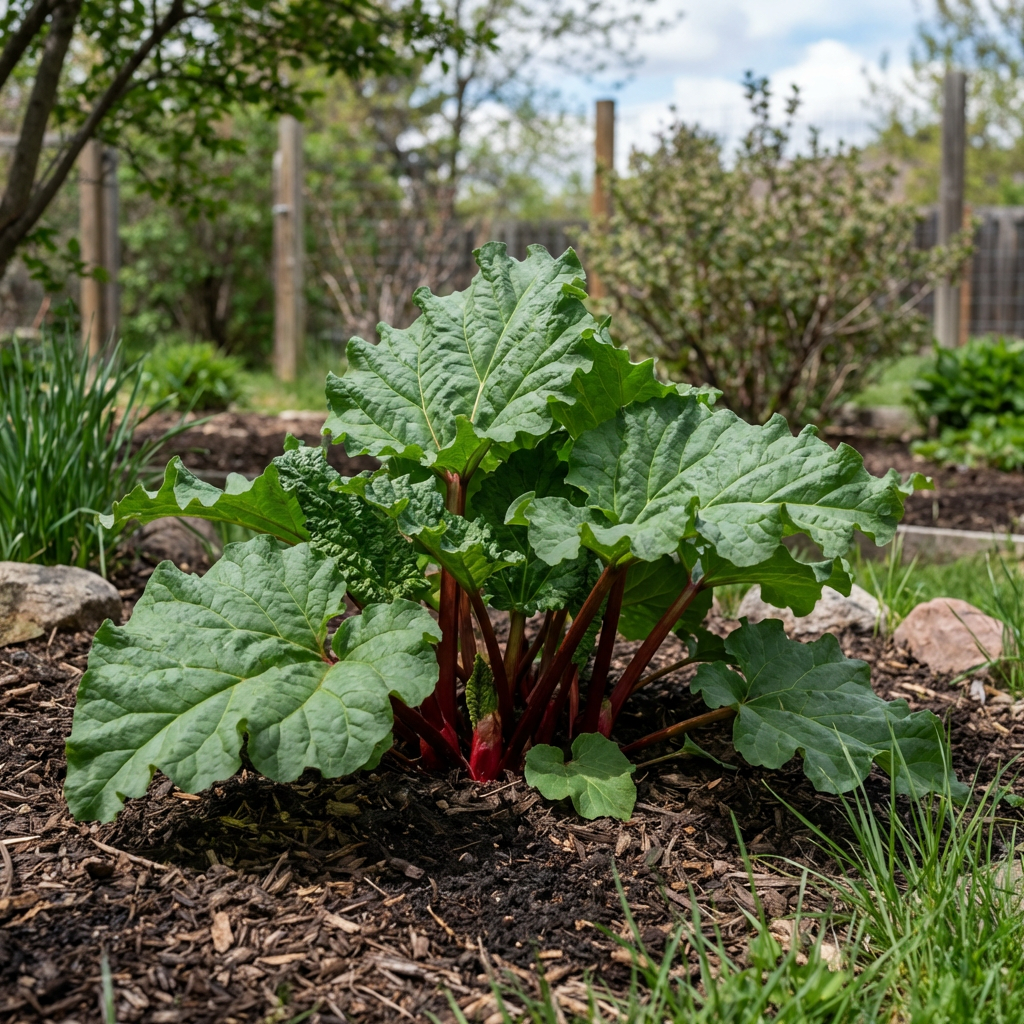
Canada Red Rhubarb is a perennial variety developed in Canada, highly valued for its exceptionally sweet flavour and vibrant red stalks that retain their colour even after cooking. It features large, crinkled green leaves on plump, rich red stalks. While many rhubarbs are green inside, Canada Red typically has red or greenish red flesh. It is noted as one of the sweetest varieties available, often requiring less added sugar in recipes. The stalks are tender, juicy, and less fibrous than many other varieties. Prefers full sun but can tolerate partial shade.
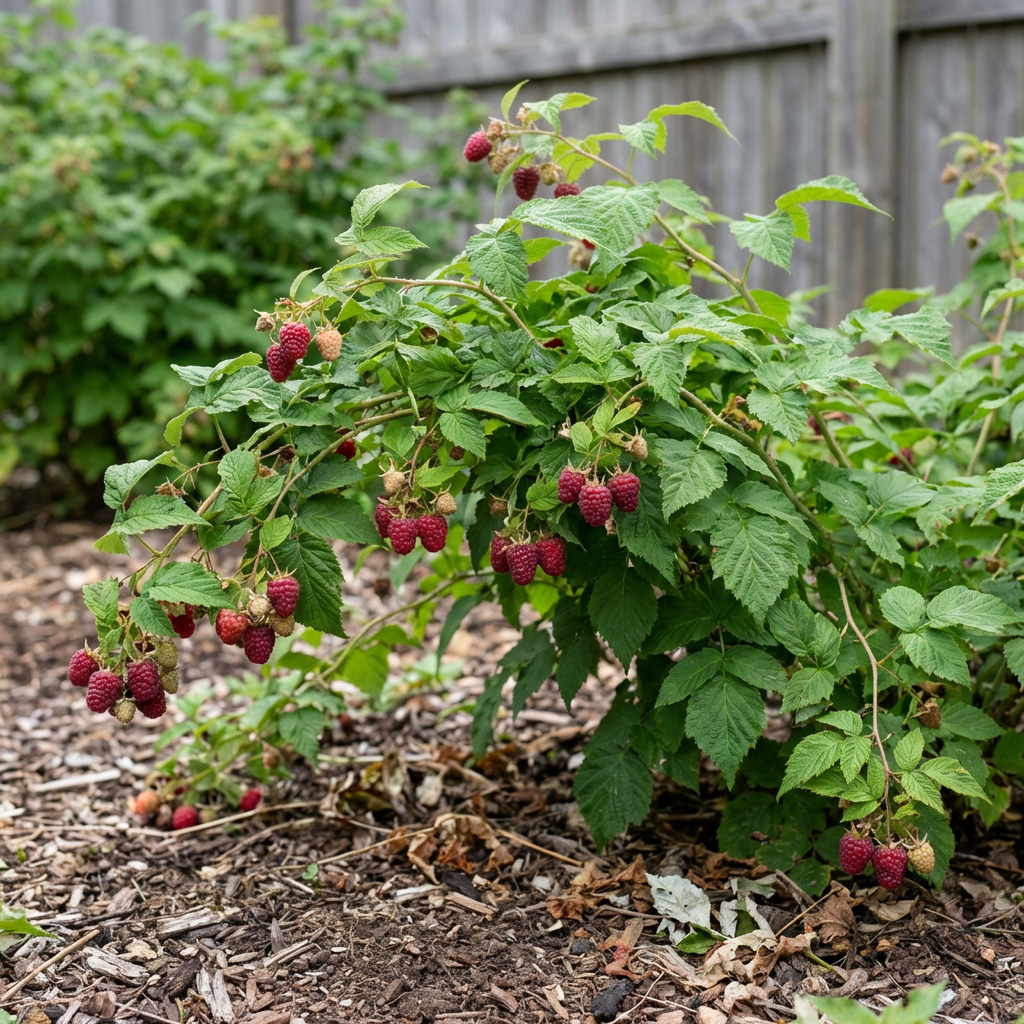
The Boyne Raspberry is an An upright, multi stemmed, exceptionally hardy, summer bearing red raspberry developed in Canada to withstand extreme northern climates. Released in 1960, it is prized for its high yields of sweet and aromatic berries. It produces medium sized, dark red, heart shaped berries with a juicy, sweet flavor and firm texture. They are excellent for fresh eating, freezing, jams, and preserves. This variety is self pollinating, so you only need one plant to produce fruit, though larger patches will yield more berries. Perfers full sun for maximum yield, but will tolerate part shade.
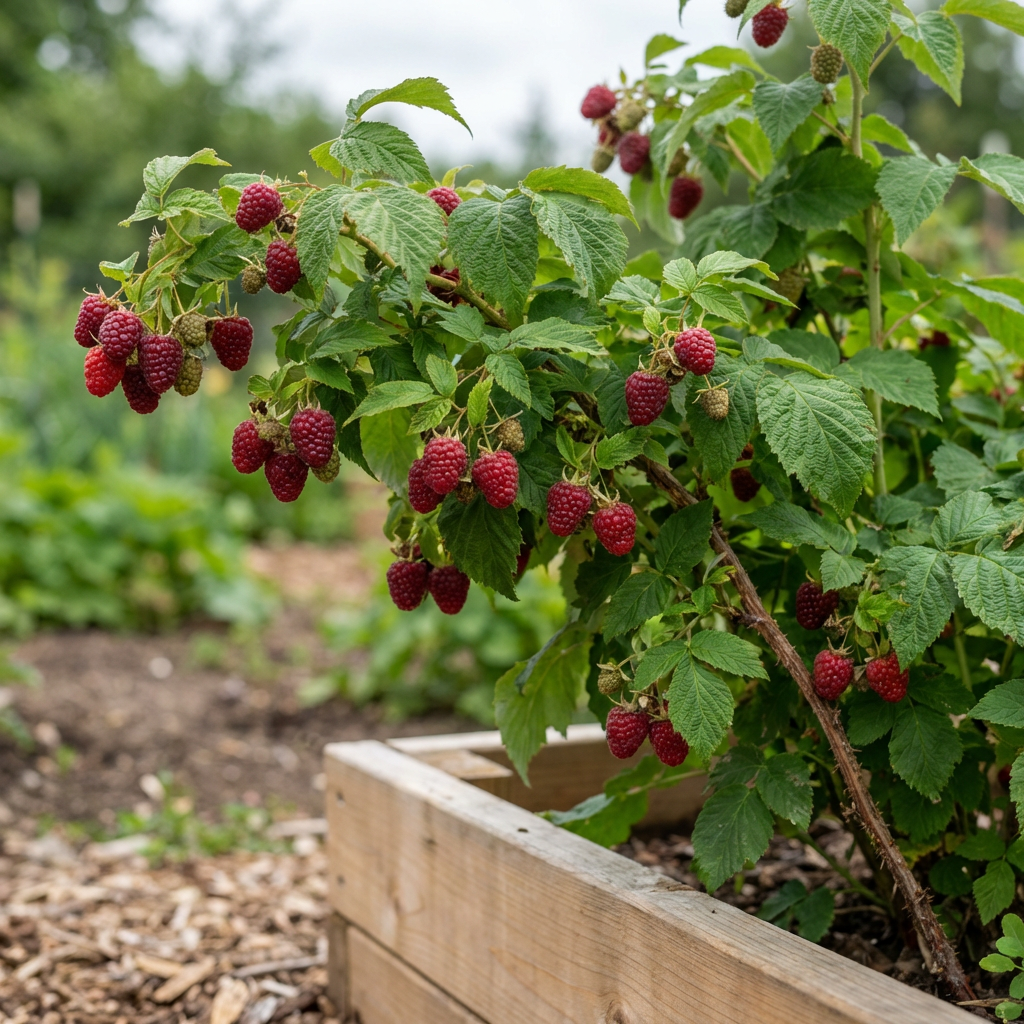
The Souris Raspberry is a hardy, summer bearing red raspberry variety known for being an improved version of the classic Boyne raspberry. Developed at the Morden Research Station in Manitoba, Canada, it is specifically bred to thrive in cold climates. It produces sweet, juicy red berries that are slightly sweeter and better tasting than the Boyne variety. This varitey is also a heavy producer that typically harvests in early to mid summer with improved resistance to spider mites compared to older varieties. Excellent for fresh eating, jams, pies, and preserves. For maximum yield, plant in full sun but can also tolerate part shade.
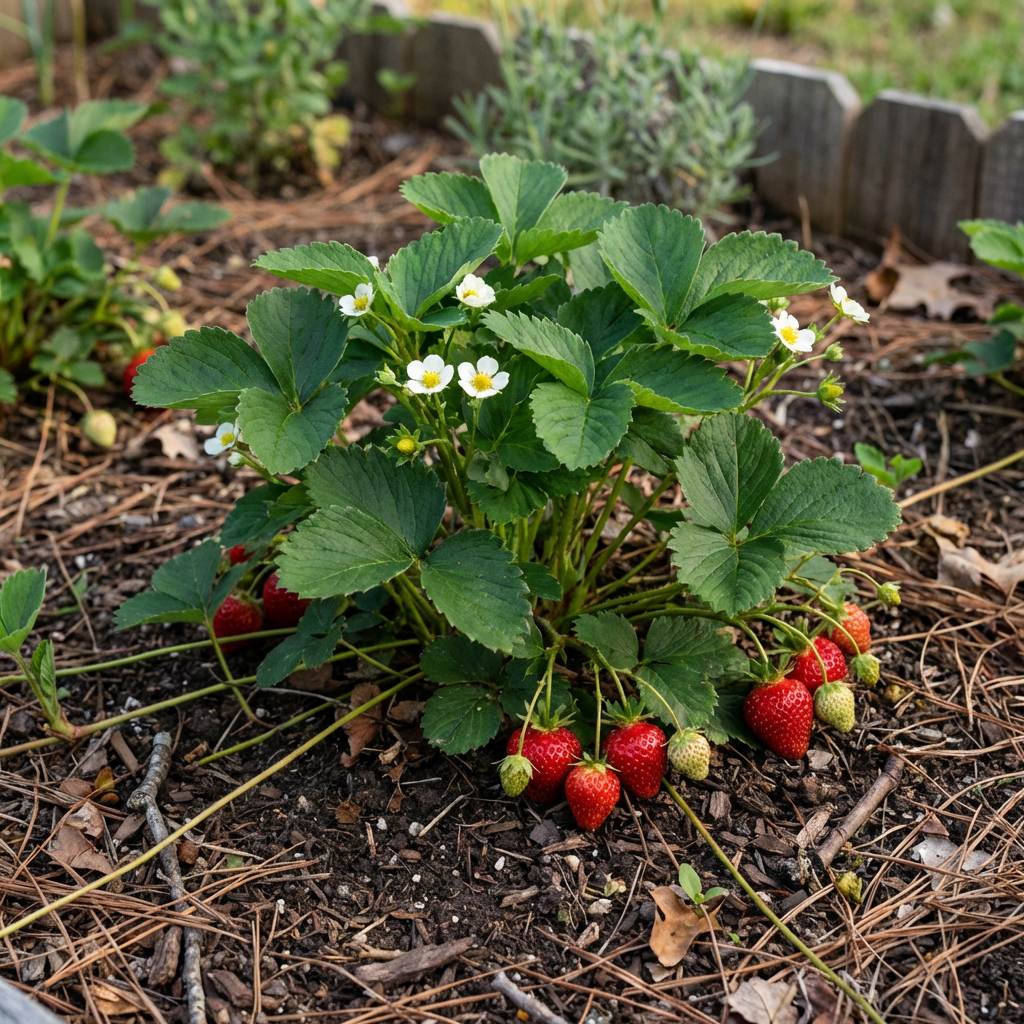
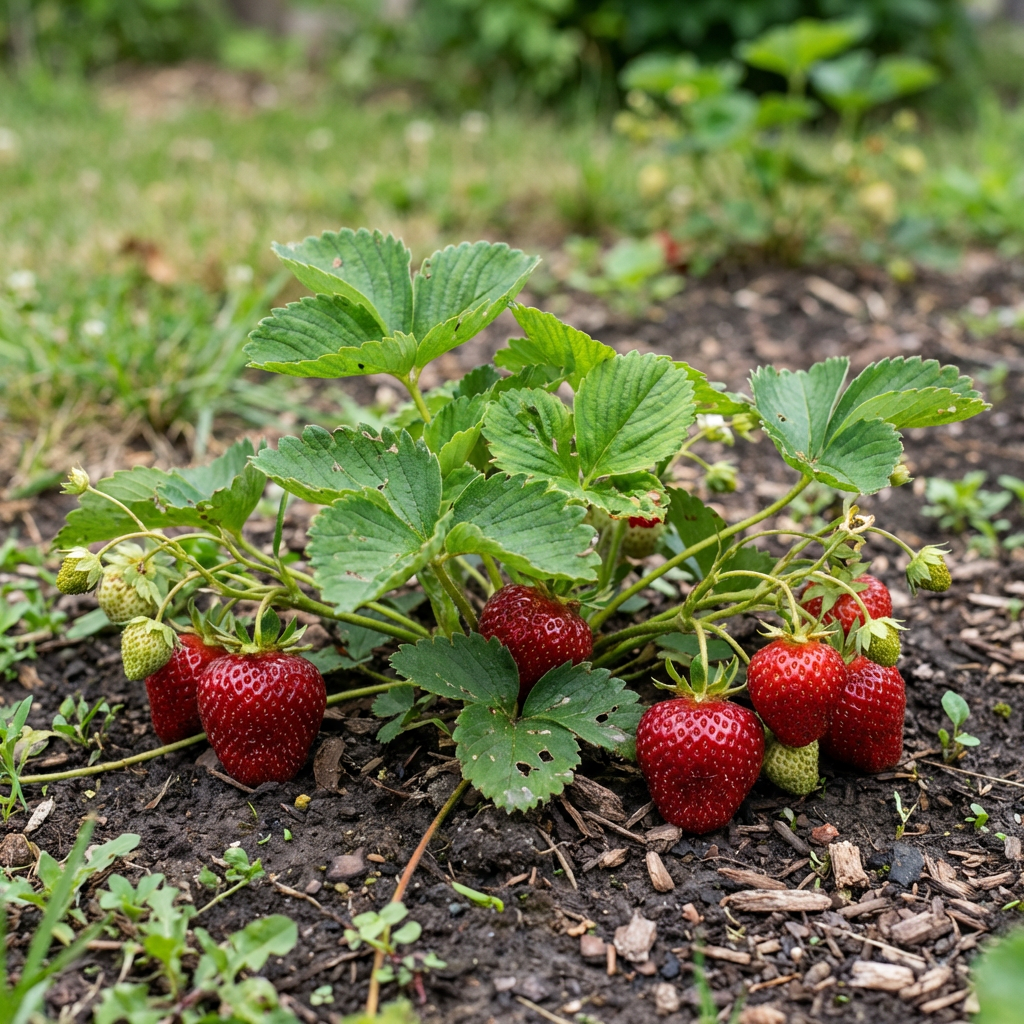
The Fort Laramie Strawberry is a popular "everbearing" variety. It is highly regarded for its exceptional winter hardiness, making it a top choice for northern gardeners. It produces fruit throughout the growing season from June to September, typically yielding an early summer crop and a second flush in late summer or early fall. The fruit is large, bright scarlet red berries with a honey sweet flavor and aromatic, firm flesh. Requires full sun, at least 6–8 hours daily, for maximum sweetness and yield.
 ★ Featured
 Honeoye (pronounced hun-ee-oy) is a widely popular June bearing strawberry known for its exceptional winter hardiness and high yields. It produces large, firm, conical berries with a bright, glossy red colour. The berries have a sweet yet tangy flavour, and is most balanced when grown in moderately warm conditions. As a June-bearer, it produces one concentrated crop annually, typically over a 2–3 week period in early summer. Common uses include, fresh eating, preserves, or freezing. Requires full sun for maximum yield and best flavour profile.
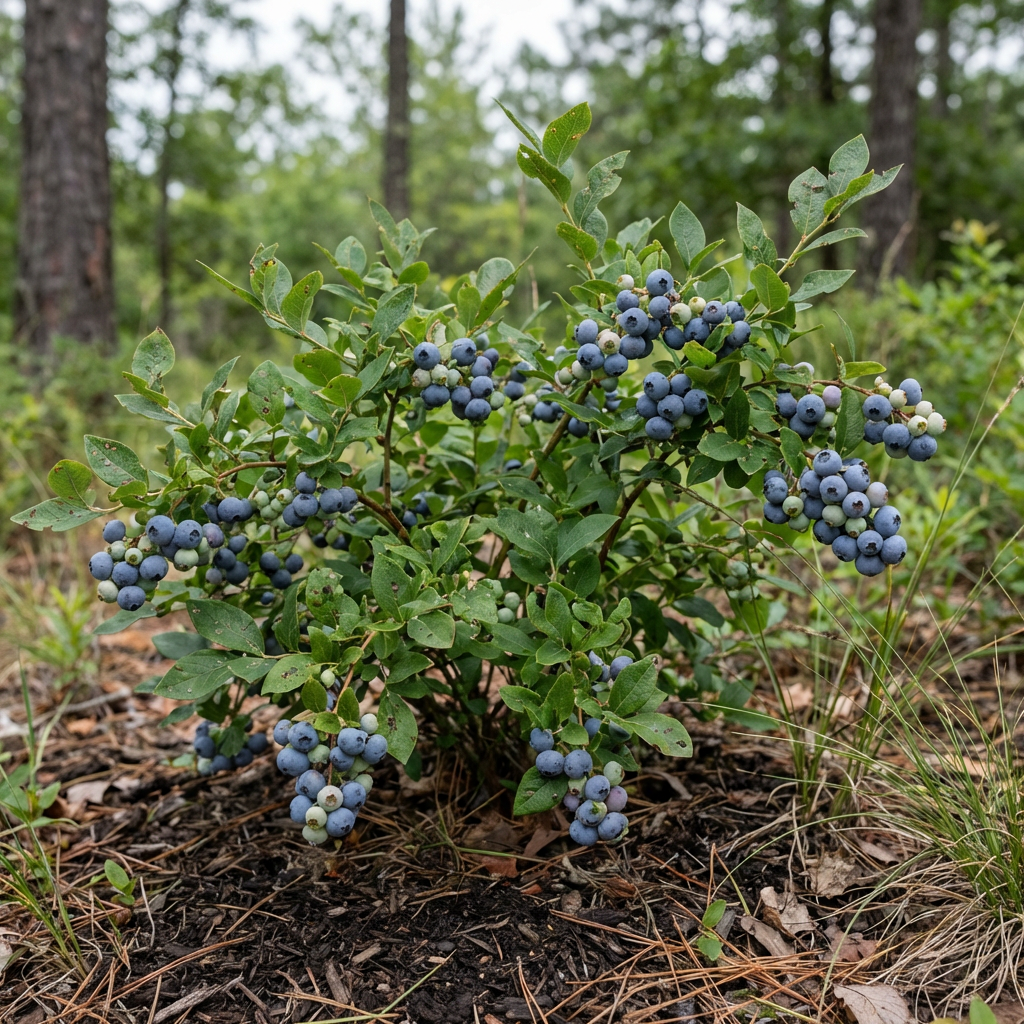
The Chippewa Blueberry is an ultra hardy "half-height" variety specifically bred by the University of Minnesota to thrive in cold northern climates. This compact shrub is highly valued for its large, sweet berries and its ability to withstand cold temperatures. It produces high yields of medium to large, light blue berries that are firm and exceptionally sweet. The harvest typically occurs in mid summer. Blueberries have shallow roots and need consistent moisture, especially during fruit formation. Beyond its fruit, it features white bell shaped flowers in spring and glossy green foliage that turns a vibrant orange or red in the fall. Best grown in full sun to maximize fruit production, though it can tolerate partial shade.
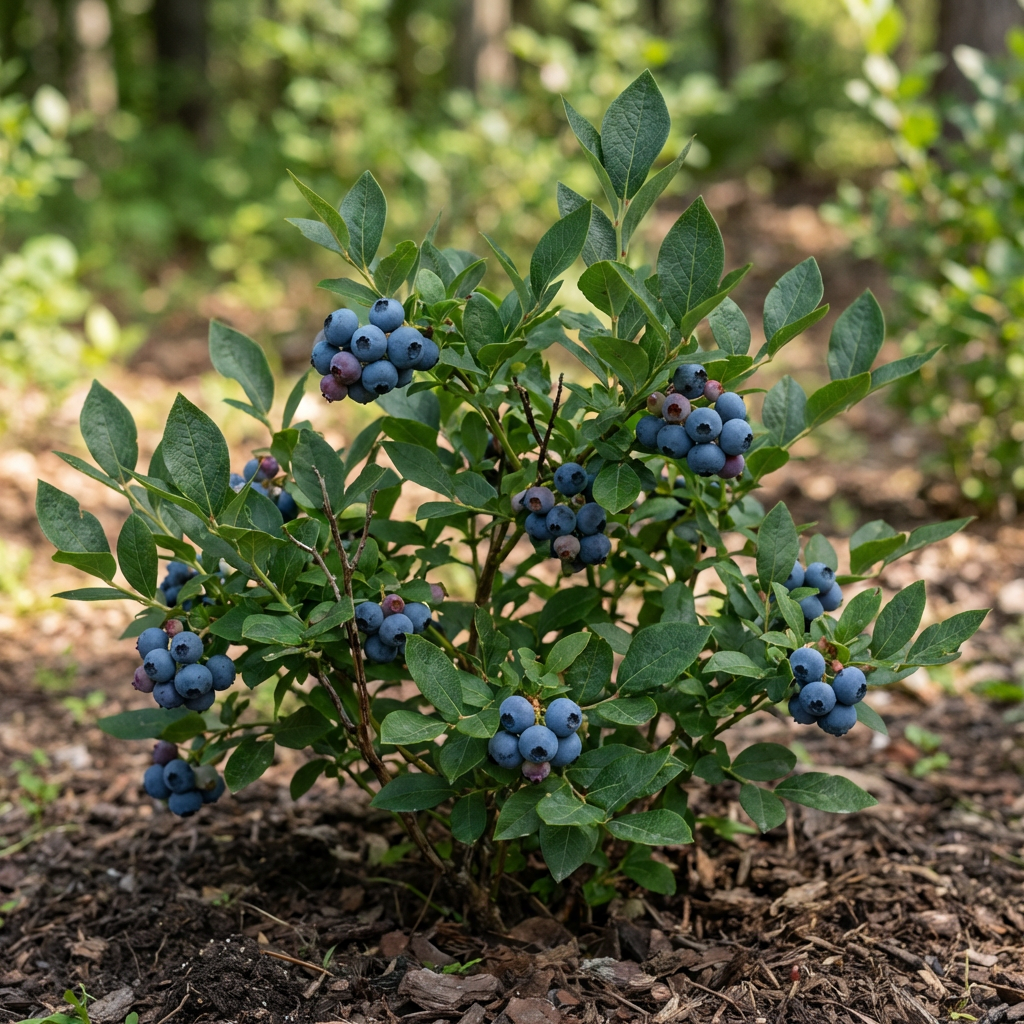
The Northcountry Blueberry is a compact, "half-height" hybrid known for its exceptional cold hardiness and sweet, wild blueberry flavour. It is a popular choice for northern climates and small spaces due to its dwarf stature and high ornamental value. This variety produces small to medium sky blue berries with a sweet, mild flavor that strongly resembles wild blueberries ripening early to mid season, typically from late June to early July. Mature plants can yield between 2 and 7 pounds of fruit per season. Displays dainty white bell shaped flowers in spring and transitions from lush green summer foliage to fiery red or scarlet leaves in autumn. While Northcountry is partially self fertile, planting a pollinating partner like Northland will significantly increase berry size and yield. Requires full sun for optimal fruit production and the best fall colour.
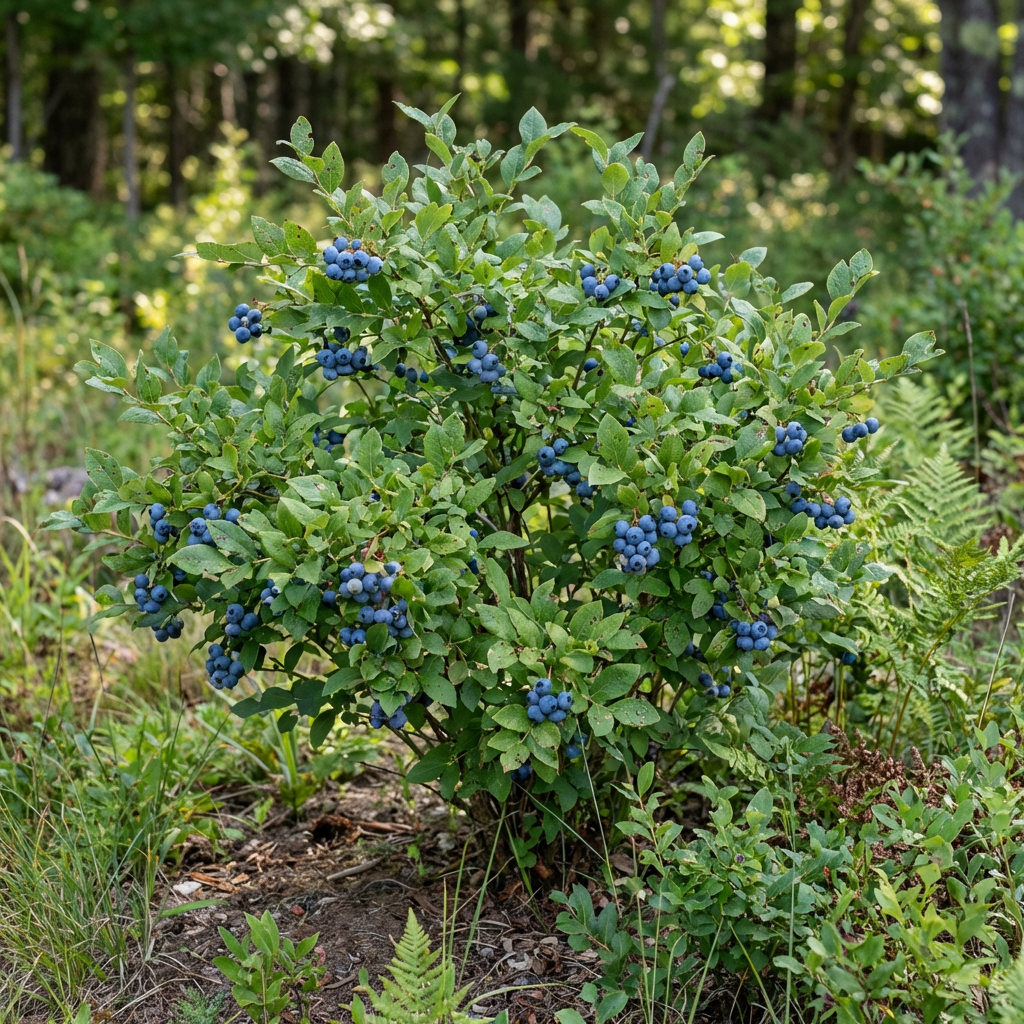
The Northland Blueberry is an exceptionally cold hardy, mid season variety specifically developed by Michigan State University to withstand harsh northern winters. It is widely considered a "sure bet" for northern gardeners and can withstand temperatures as low as -35 to -40C. It produces high yields of medium sized, sweet berries with a rich flavor reminiscent of wild blueberries. Due to the shallow roots of blueberry plants, it needs consistent moisture while the plant is producing fruit. This variety offers year round interest with white to pink spring flowers, vibrant orange red fall foliage, and striking yellow or reddish winter branches. It also features flexible, limber branches that resist breakage under heavy snow and ice loads. Thrives in full sun for the best yields and colours.
 ★ Featured
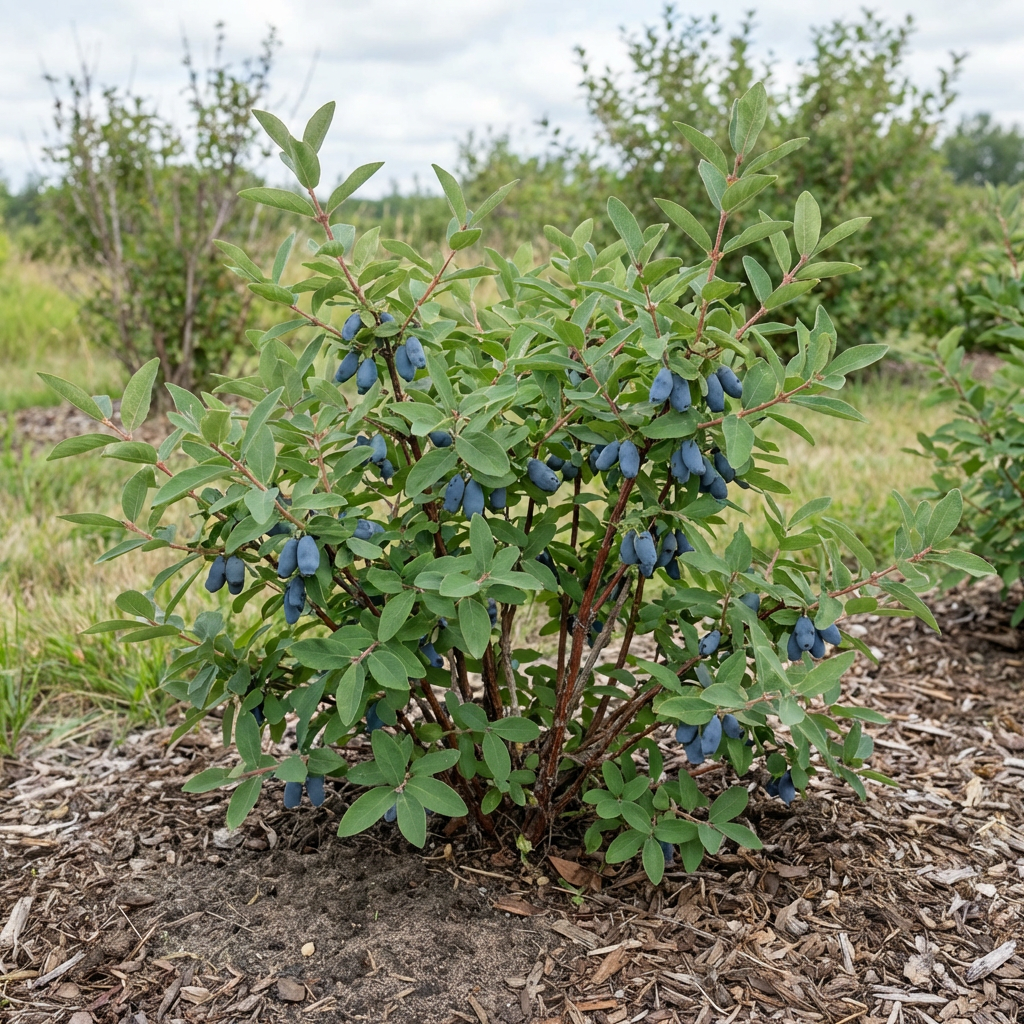
 Berry Blue Haskap is an exceptionally cold hardy, vigorous shrub widely prized as a "universal pollinator" for early blooming haskap varieties. While it produces its own sweet tart fruit, its primary role in most gardens is to ensure a heavy fruit set for other varieties like Borealis and Tundra. It produces small, tubular, creamy white flowers very early in spring, often in May. The flavour is described as a tangy sweet blend of blueberries, raspberries, and blackberries. If picked too early, the fruit may be somewhat bitter meaning they are best when fully mature in late June to early July. It produces elongated, dark blue berries of average size and a mature, well pollinated plant can yield between 8–10 lbs of fruit annually. Because haskaps are self-incompatible, they must be planted with a different, compatible variety that blooms at a similar time to produce fruit. The best pollinators for Berry Blue are Aurora, Borealis, Honey Bee, or Indigo Gem. Plant in full sun to maximize yeild, however this variety will tolerate part shade.
 ★ Featured
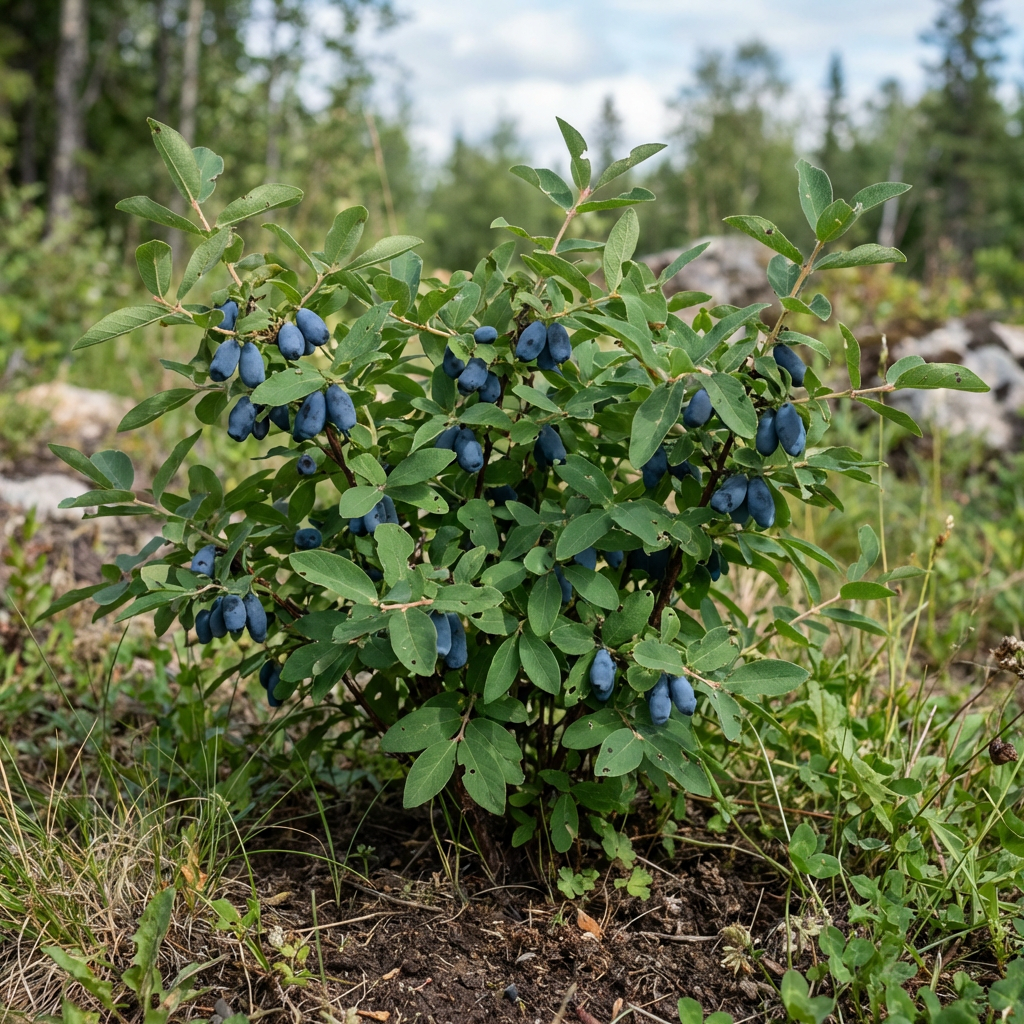
 Borealis Haskap is an early fruiting shrub known for producing some of the largest and best tasting berries of the University of Saskatchewan releases. Often called honeyberries, these plants produce dark blue, oval shaped fruit with a sweet tangy flavour frequently described as a cross between a blueberry and a raspberry. The fruit is softer and more delicate than other varieties like Tundra or Berry Blue, making it ideal for fresh eating, baking, and preserves rather than mechanical harvesting. Experts at the University of Saskatchewan recommend pairing it with Aurora, Honey Bee, or Berry Blue for the best pollination and yield. While Borealis prefers full sun for maximum fruit production, it can tolerate part shade.
 ★ Featured
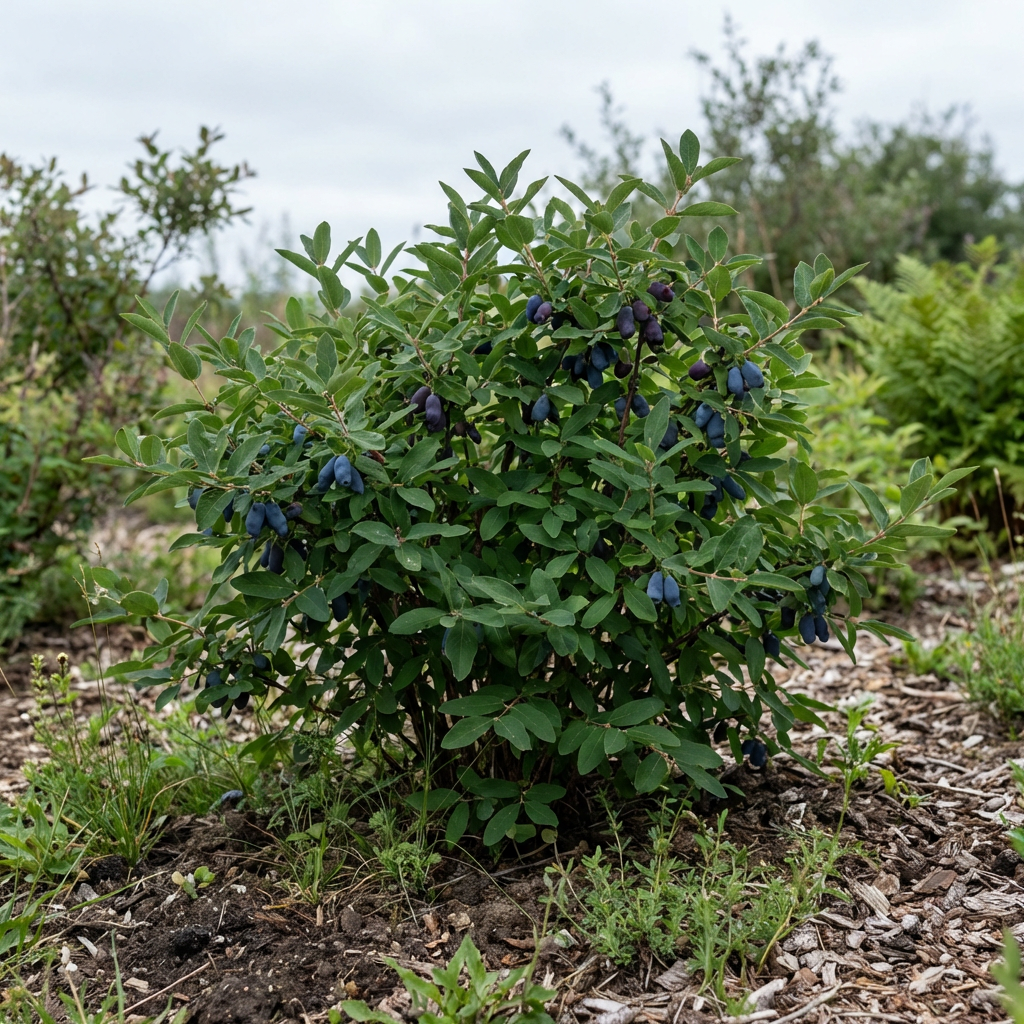
 Cinderella Honeyberry is a compact, extremely cold hardy shrub that is valued for its large, sweet-tart blue berries that ripen very early in the season. It is a traditional Siberian variety often used as a pollinator for other early blooming honeyberry varieties. The berries have a sweet-tart or semi sour flavor profile, often compared to a blend of wild blueberries and black currants. It produces deep bluish-purple, elongated, or round berries that typically ripen in June, often weeks before other varieties and berries. Recommended uses for this fruit is fresh eating, preserves, jams, jellies, and even home winemaking due to its slight currant like tannins. Under ideal conditions, a Cinderella bush can live and produce for approximately 20 to 30 years. Ideal pollinators include Borealis, Tundra, and varieties from the Indigo series. Thrives in full sun for maximum fruit production, but will tolerate part shade.
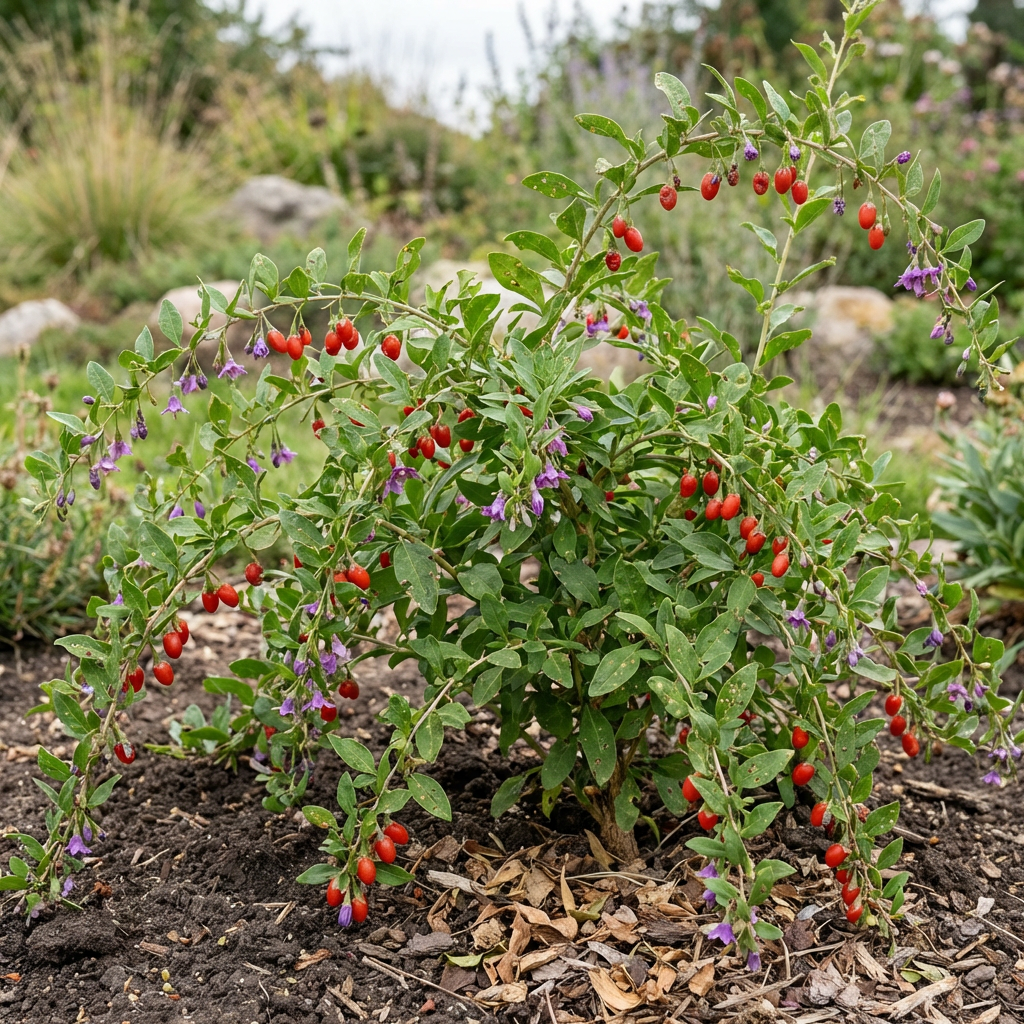
Firecracker Goji Berry is a compact, self fertile variety of the goji berry shrub known for its high yield of sweet, red berries and exceptional cold hardiness. Draped in deep purple flowers from late spring to early summer, this produces small, oblong, brilliant red berries that are sweet and nutrient dense. Fruit production often begins in the second year, reaching maximum yields by the fourth or fifth year. The berries can be eaten fresh, dried into raisins, or used in smoothies and baking. It is drought tolerant once fully established and requires occasional pruning in late winter to maintain shape and maximize fruit production. Performs best in full sun to part shade.
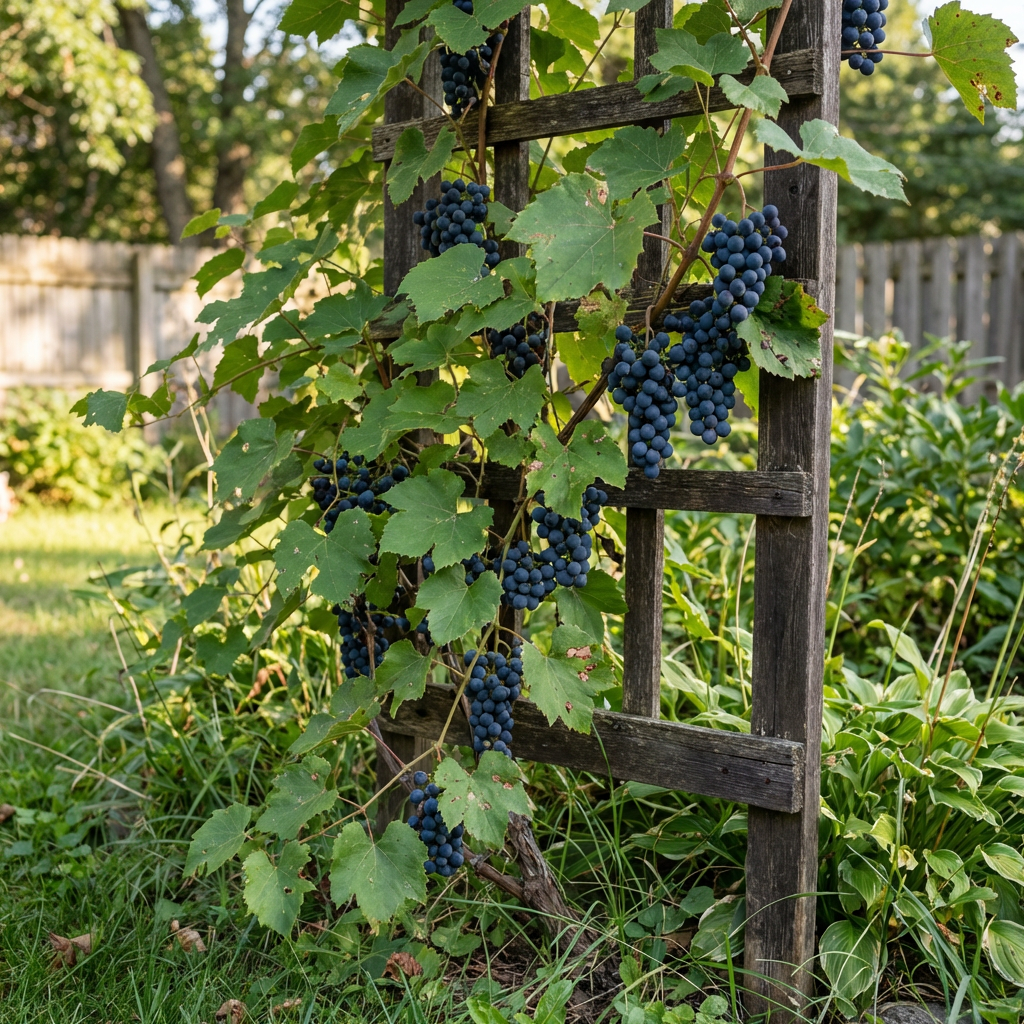
The Beta Grape is an extremely cold hardy, vigorous hybrid variety known as the "grandfather of all hardy grapes" for its ability to thrive in northern climates. It was developed in Minnesota in 1881, and is a cross of the Concord Grape with a Wild North American Riverbank Grape. It produces compact clusters of small, round, navy blue to almost black berries with deep purple overtones. It is self pollinating, meaning you only need one plant to produce fruit. The fruit is sweet yet tangy or tart, reminiscent of wild berries. The fruit typically ripens in early to mid September and is best suited for juices and jellies. Requires full sun for proper ripening and maximum fruit production.
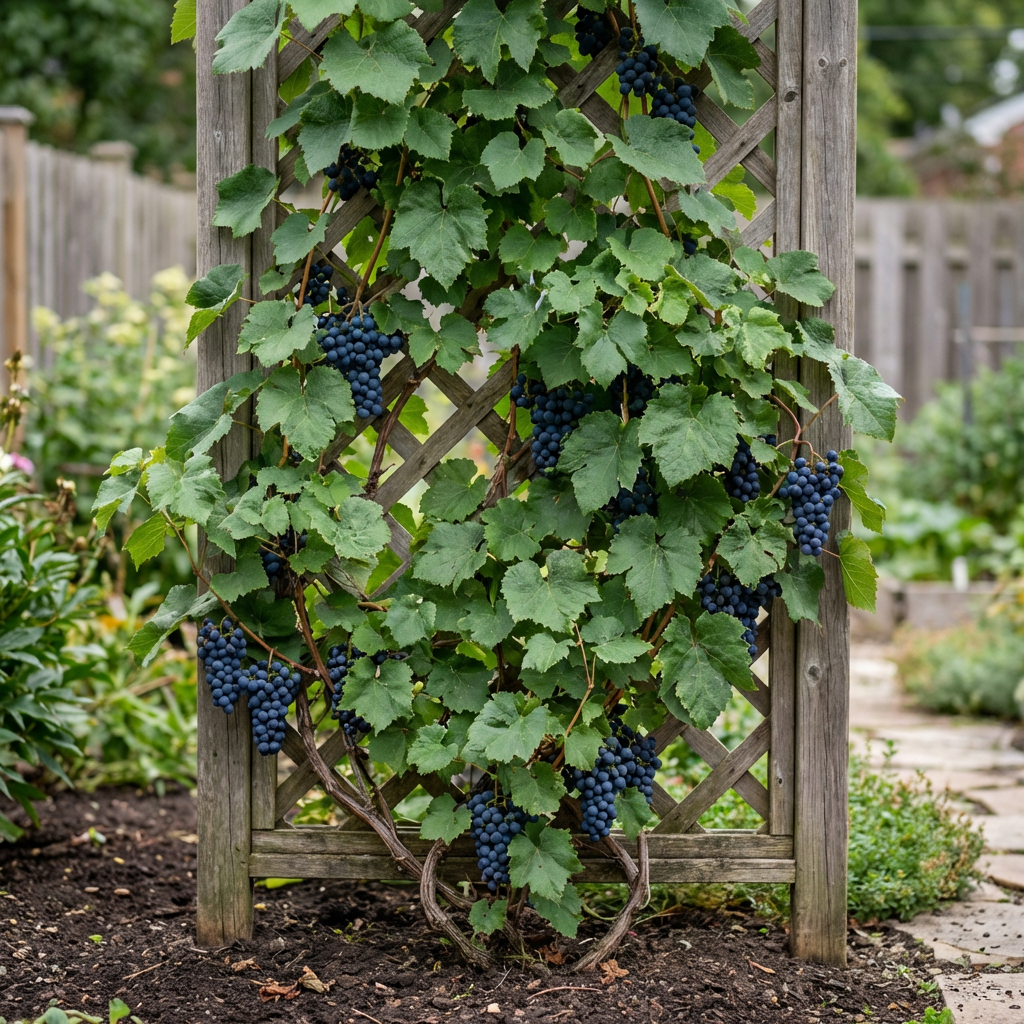
The Valiant Grape is a vigorous, fast-growing climbing vine with blueish purple seeded grapes specifically developed by South Dakota State University for northern climates and the Canadian Prairies. Often compared to Concord grapes, they have a rich, sweet, and tangy flavor with a juicy texture. Some growers note the skin is thick and tart, but it slips easily from the sweet flesh. The fruit grows in compact clusters of medium sized dark blue to almost black berries. The grapes can be highly versatile and excellent for fresh eating, juices, jams, and jellies. This variety is self fertile, meaning you only need one plant to produce fruit, though planting multiple varieties can significantly increase yields. Thrives in full sun (at least 8 hours per day) but will tolerate some shade.